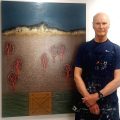
Educational and early work background
- BA University of Colorado Boulder, Fine Arts 1969
- Studied printmaking under Wendell Black, MFA Univ. of Iowa
- Studied water-media painting under Gene Matthews, MFA Univ. of Iowa
- U.S. Air Force, Instructor pilot supersonic T-38
- Teaching Assistant, Painting, University of Colorado 1972-74
- MFA University of Colorado Boulder, Painting and Printmaking 1974
- Studied painting again under Gene Matthews, Frank Sampson, MFA Univ. of Iowa
- First job 1974-79 at Computer Graphics Company, Denver, CO
Art Exhibitions
Denver Art Museum
Watercolor USA
Perth, Australia Drawing Exhibition
William Kasten Gallery, Cherry Creek, Denver
CPC, Chicago Printmakers Collaborative
Grinnell Arts Center 2017
Iowa City Press Co-op 2018, 2019
Taag Studios & Gallery One-man Show 2019
Figge Art Museum 2020
University of Iowa Health Care (Hospital Complex) 2020-2021
…..
Range of Focus
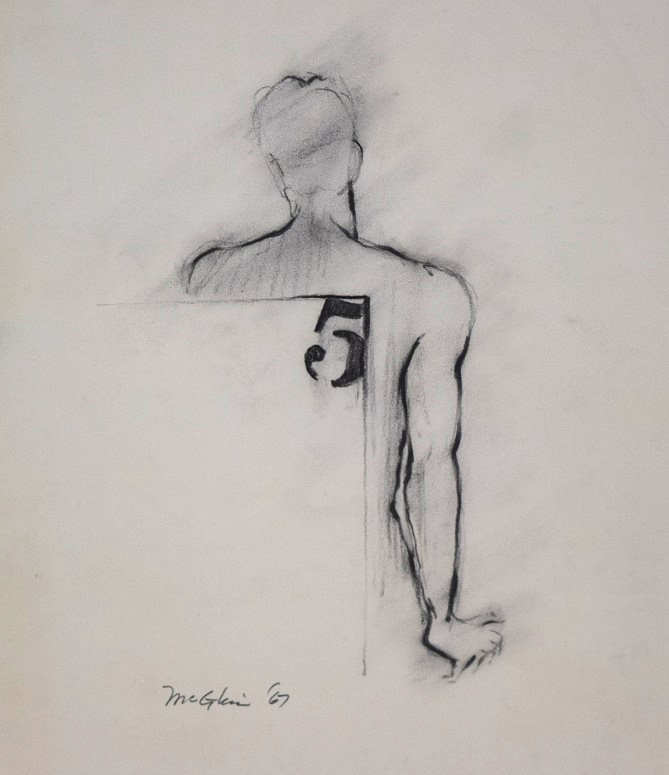
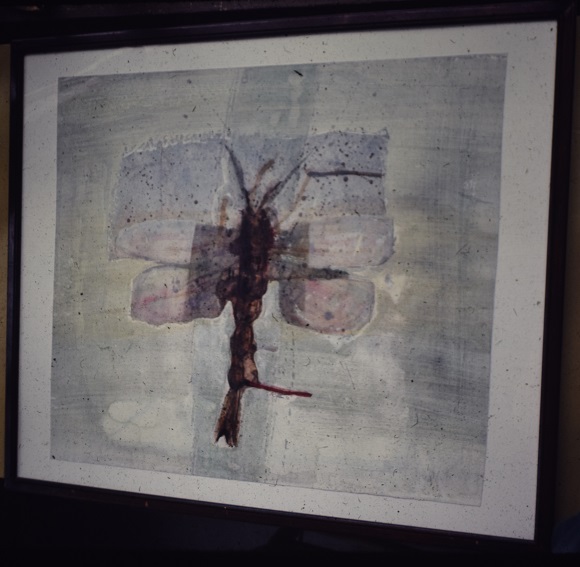
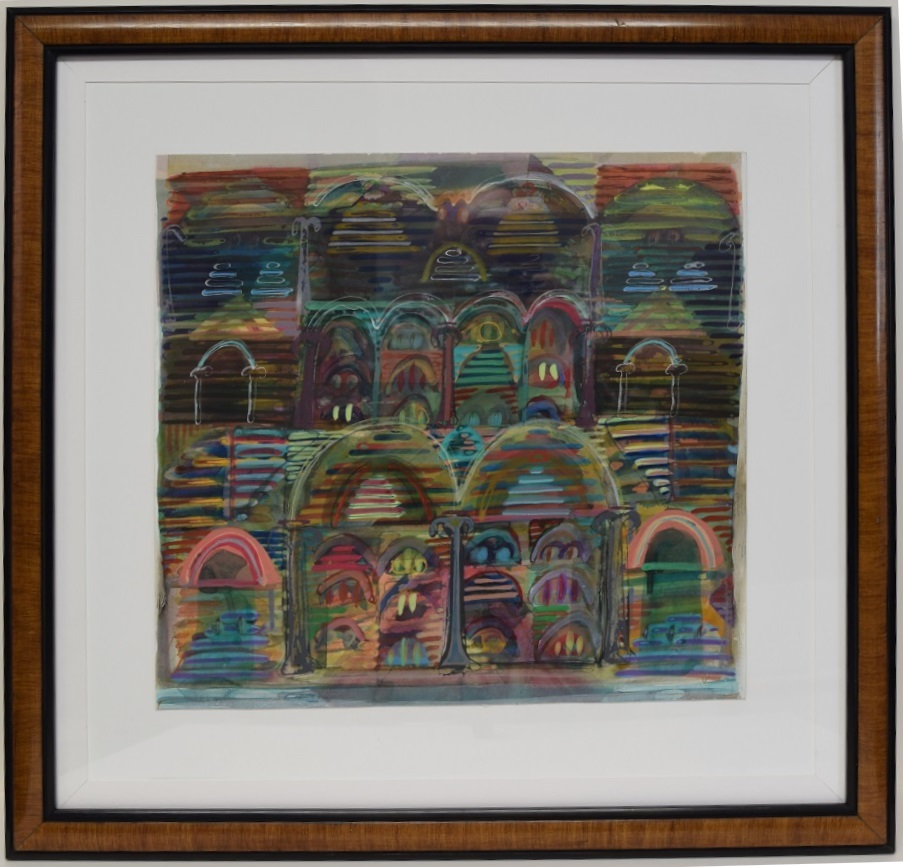
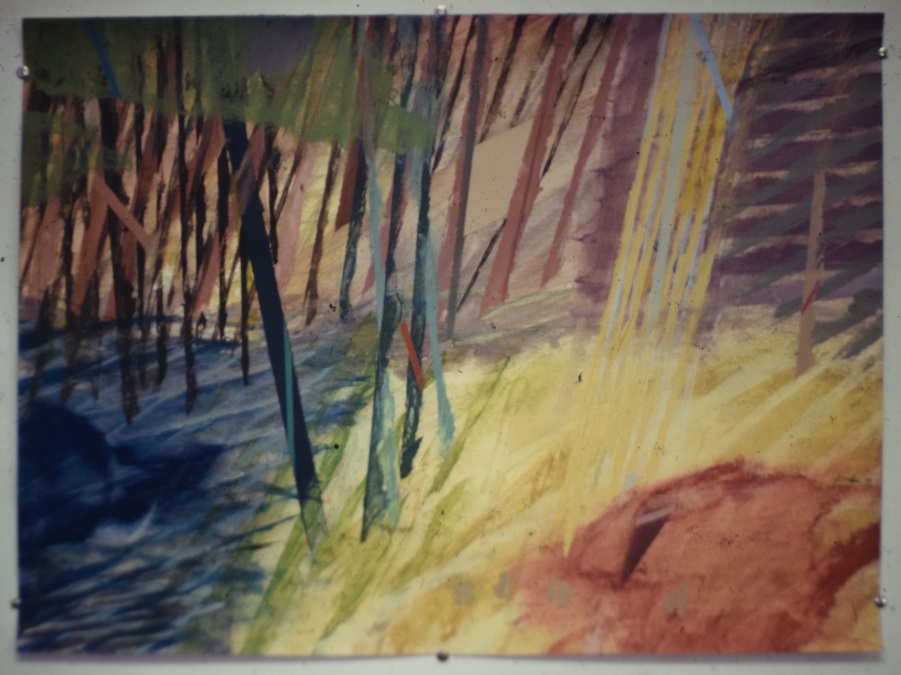
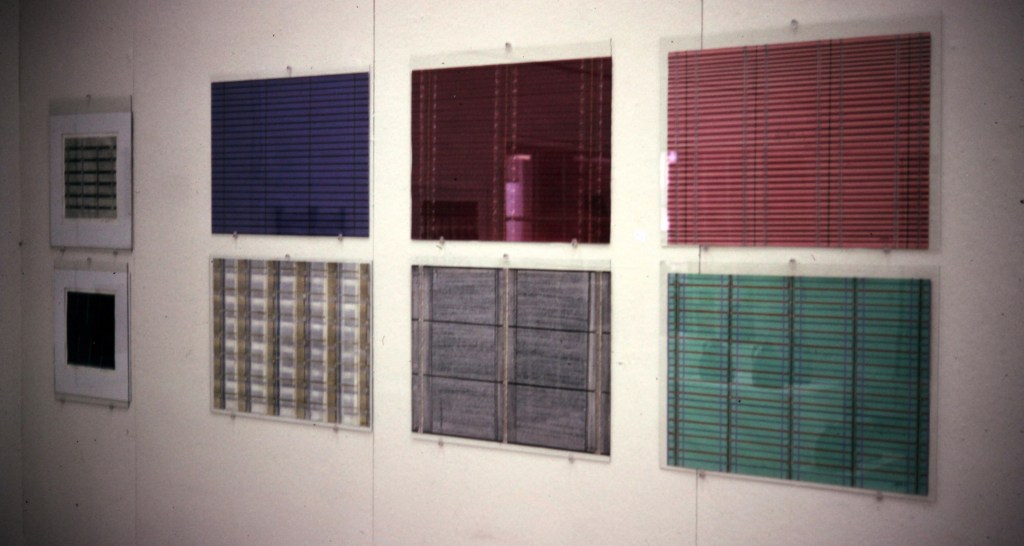
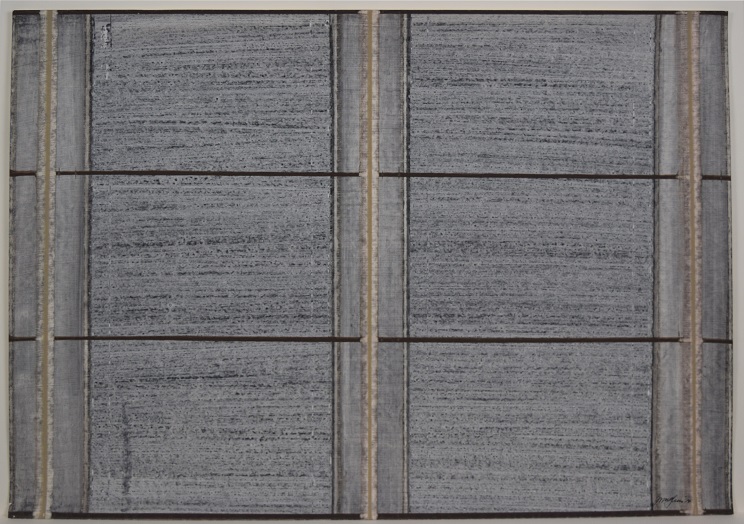
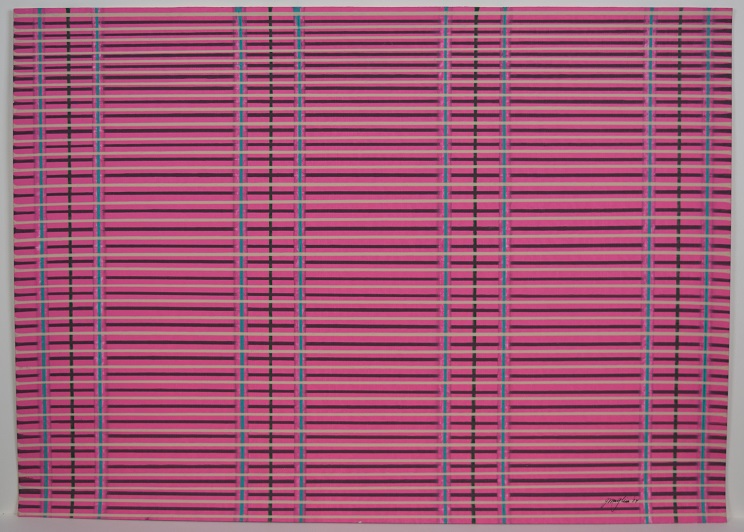
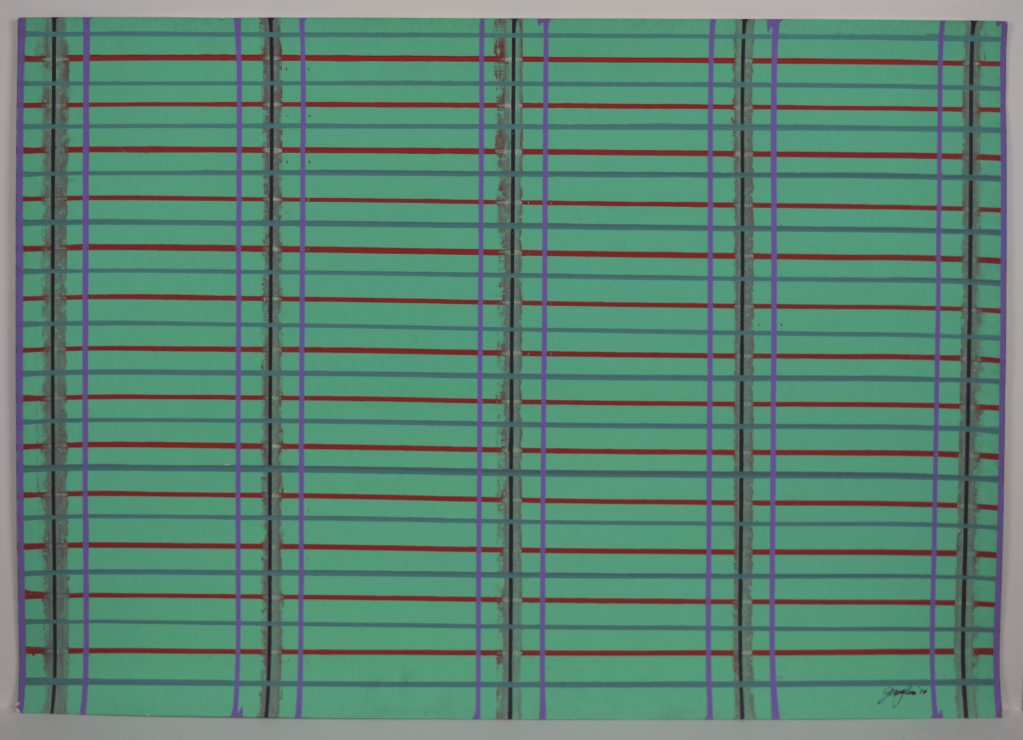
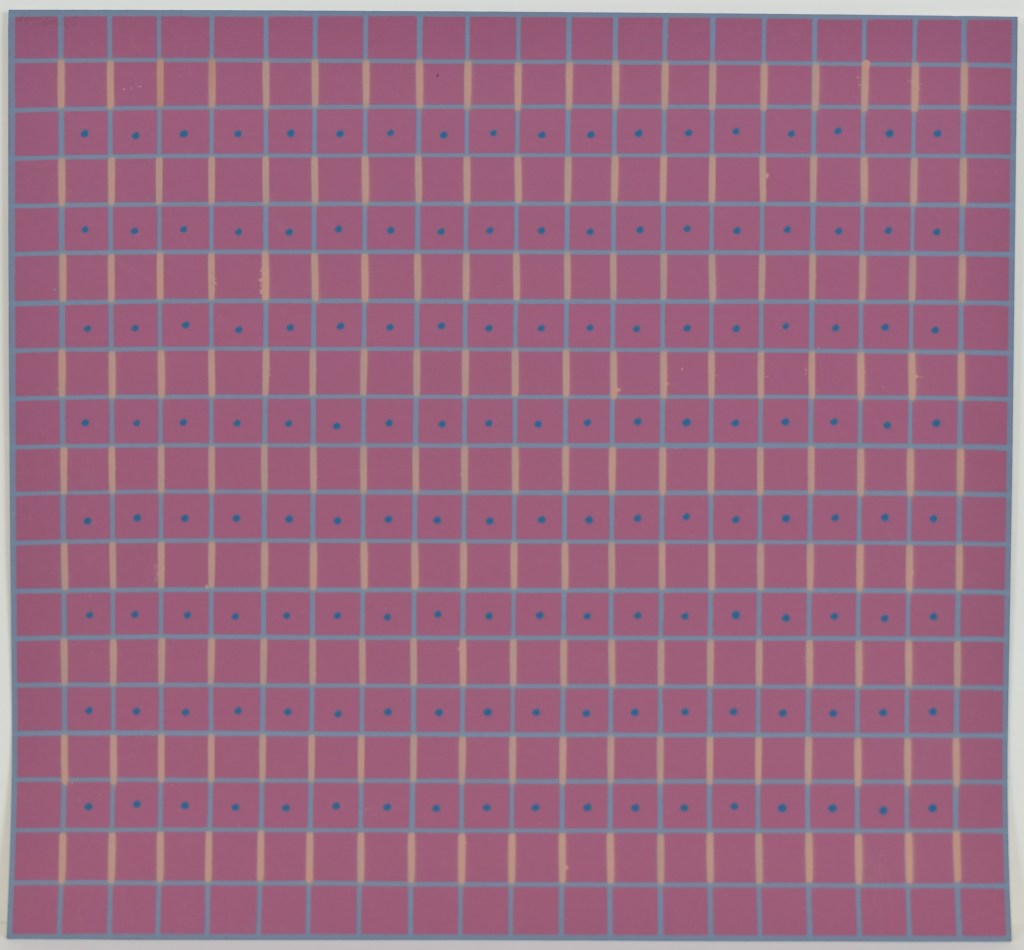
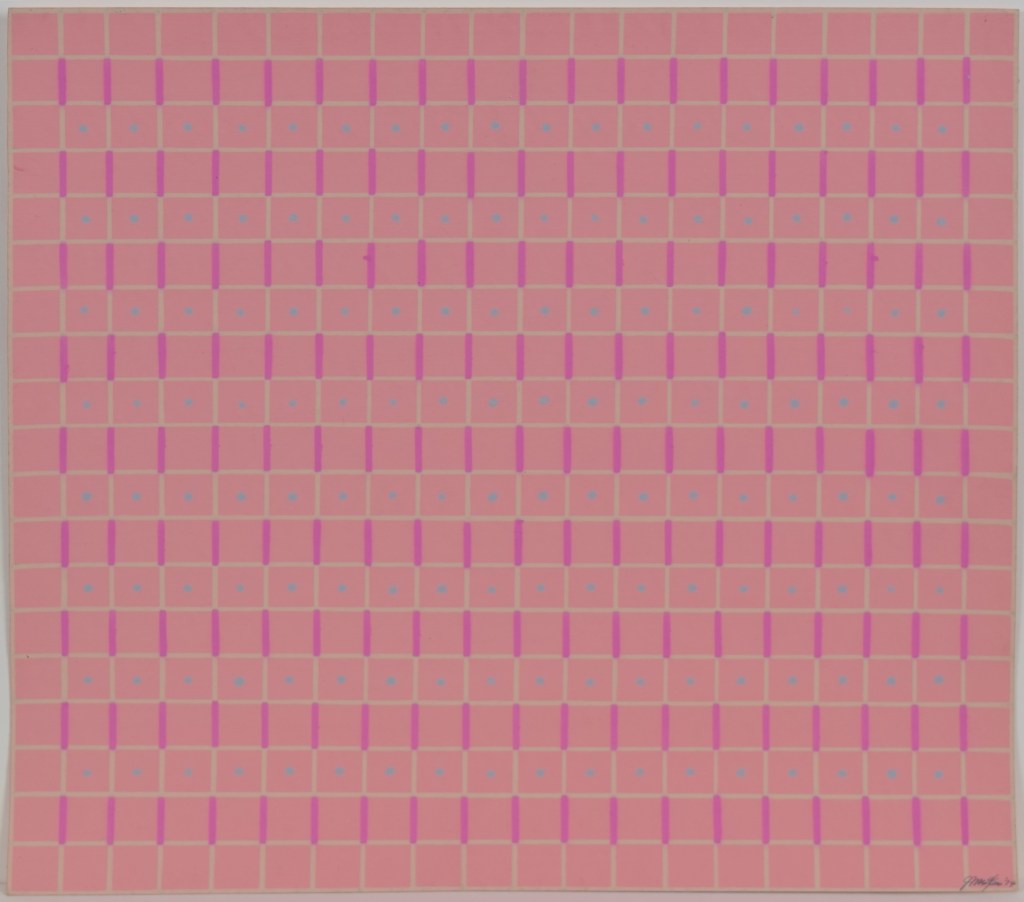
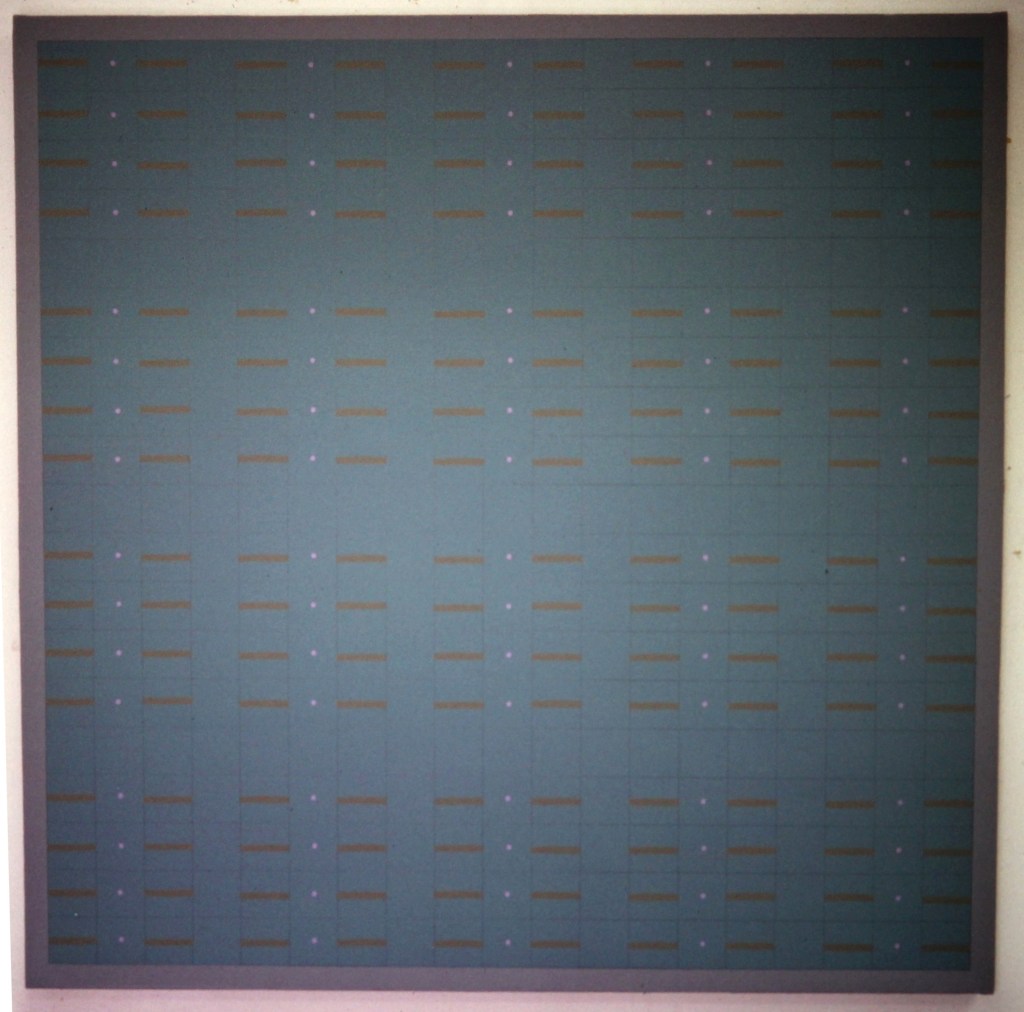
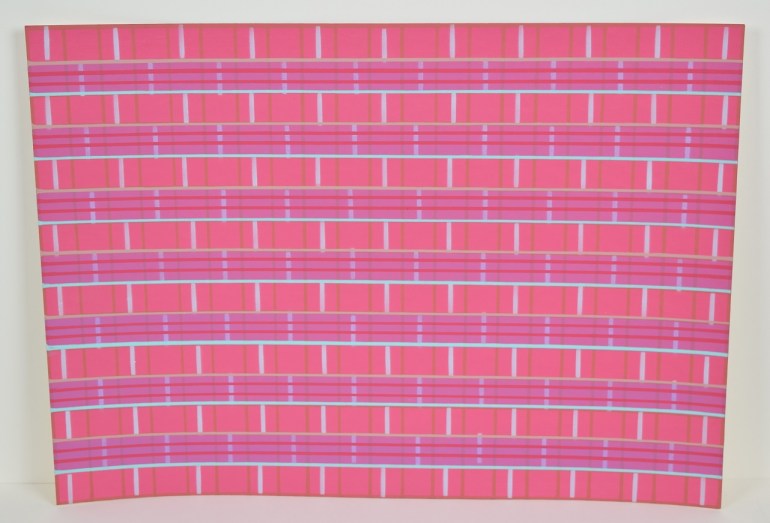
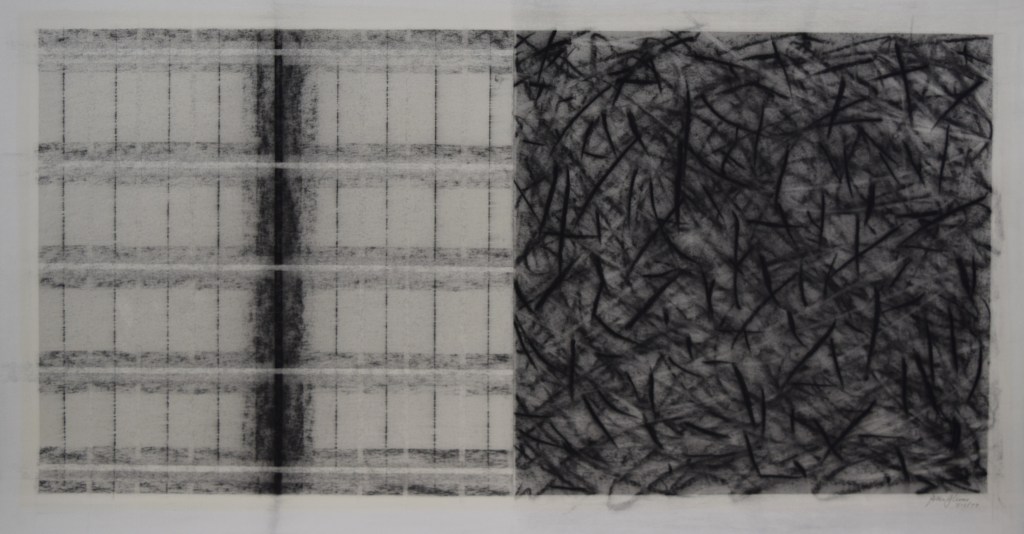
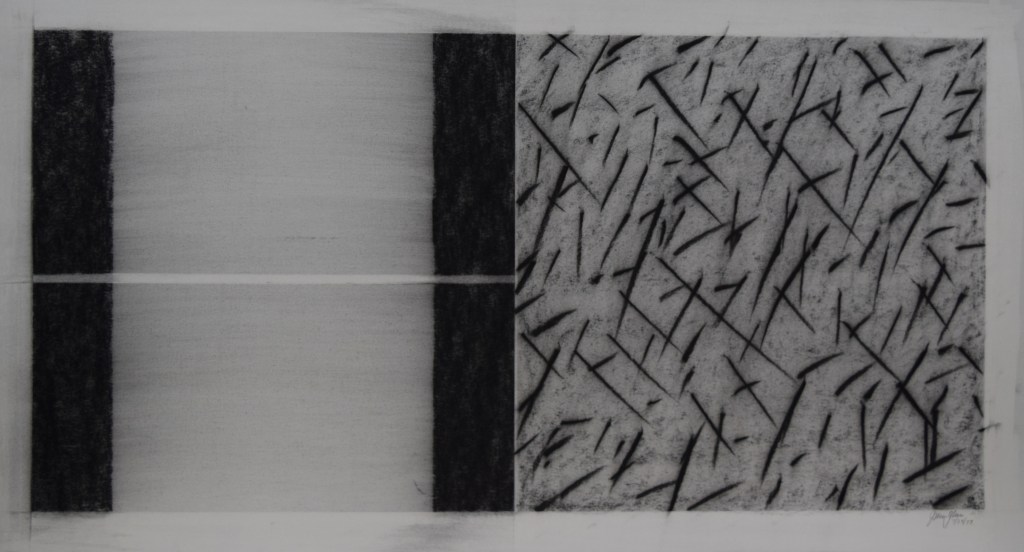
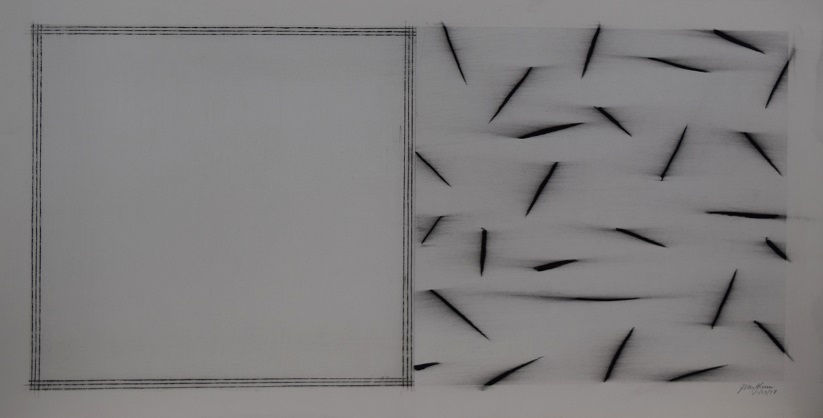
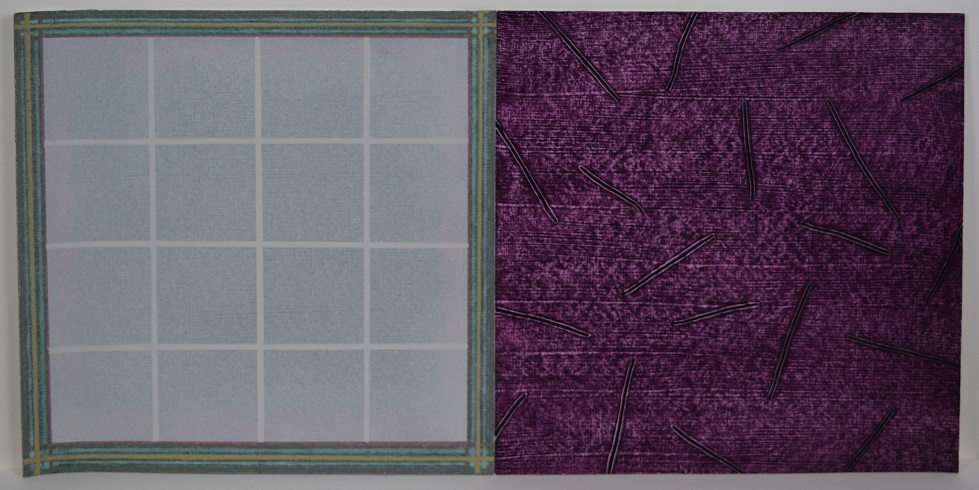
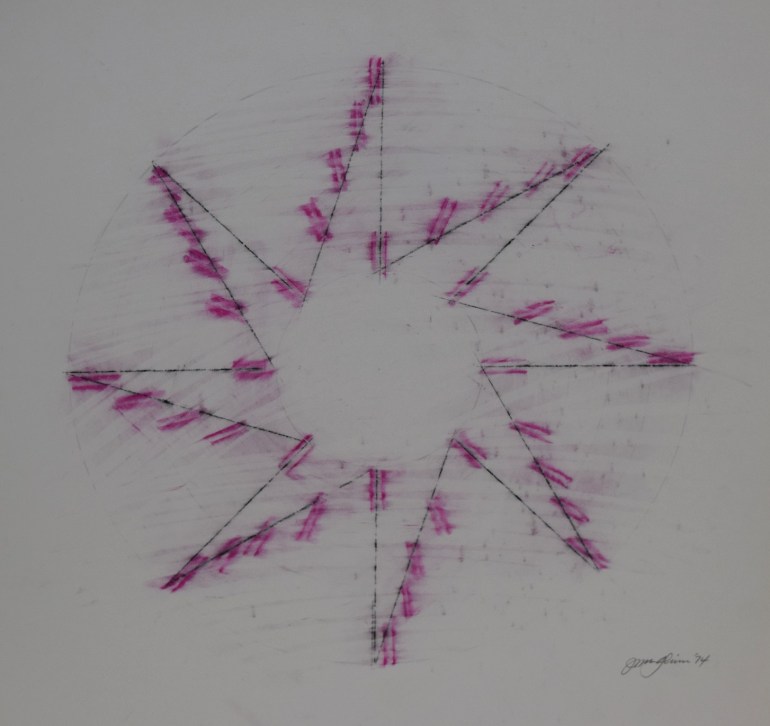
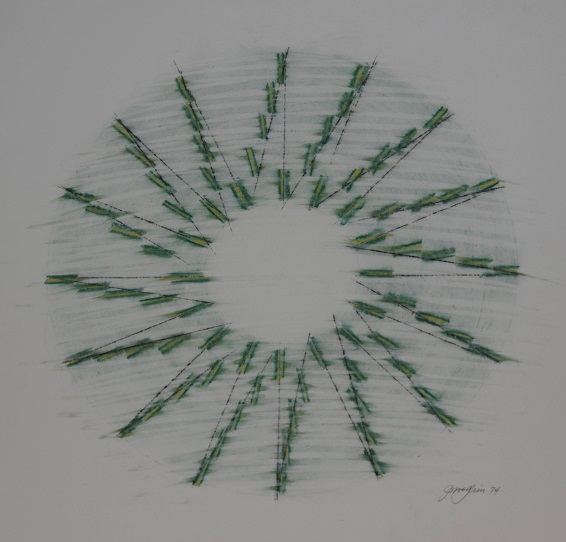
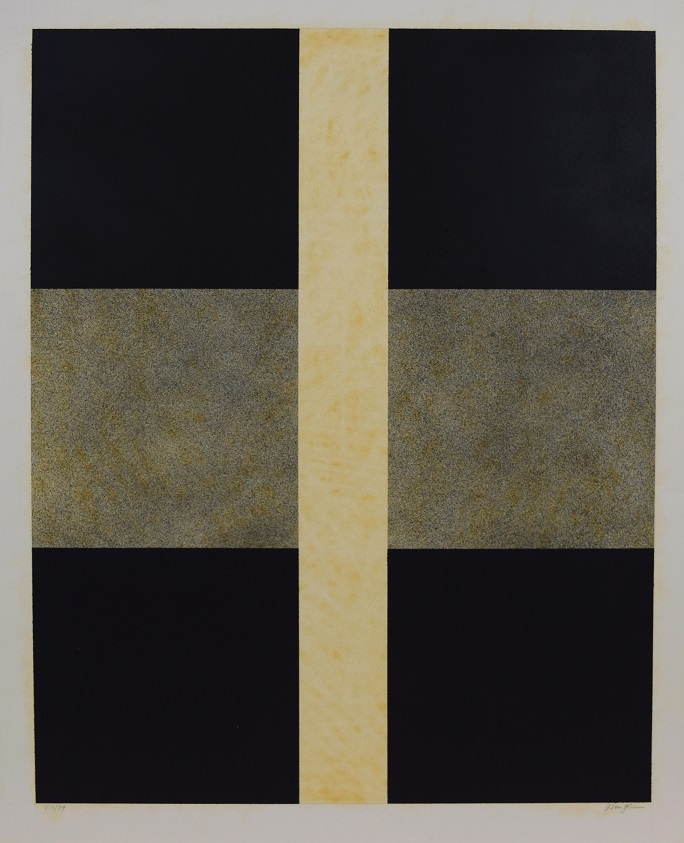
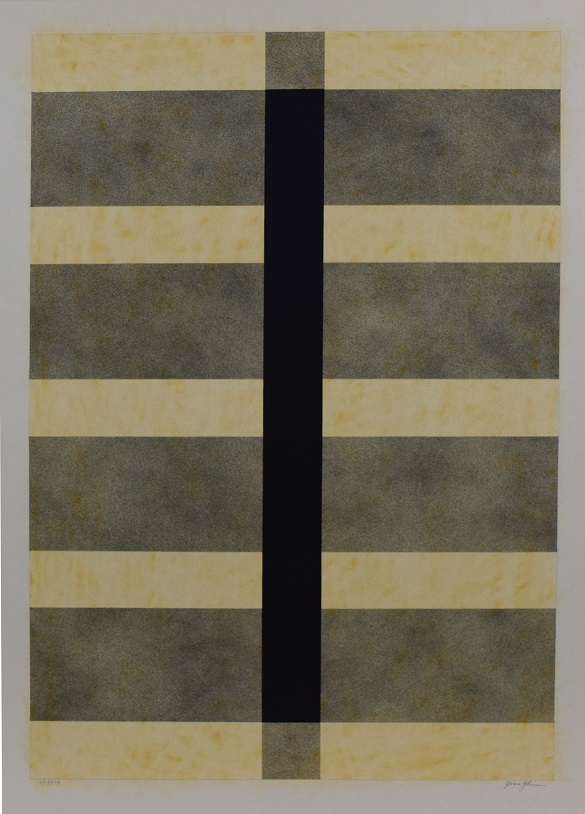
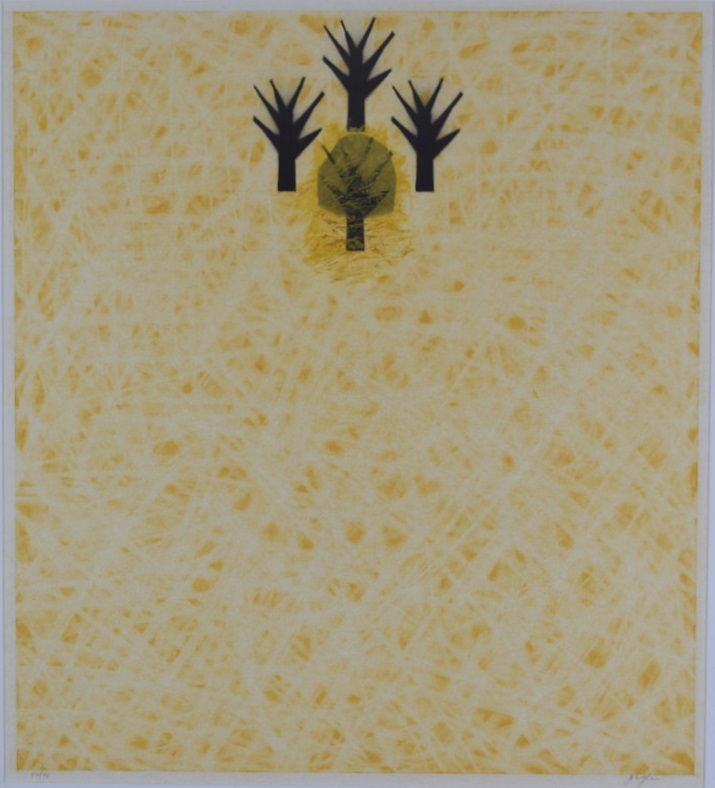
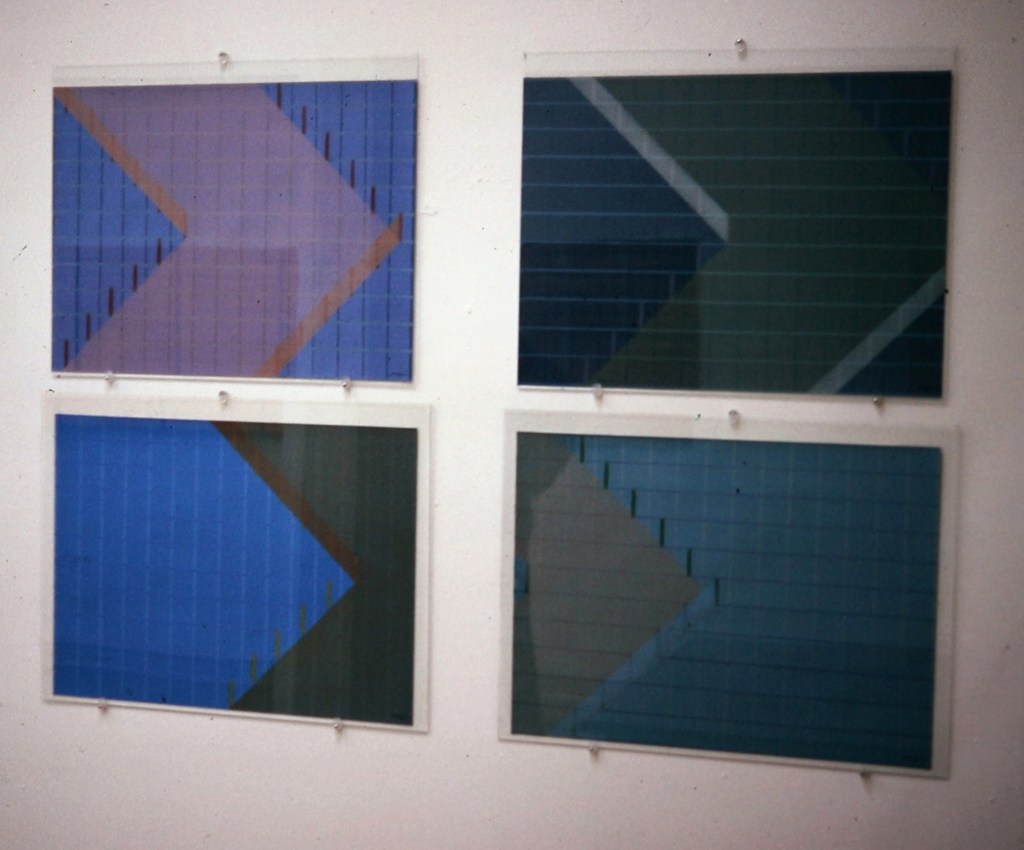
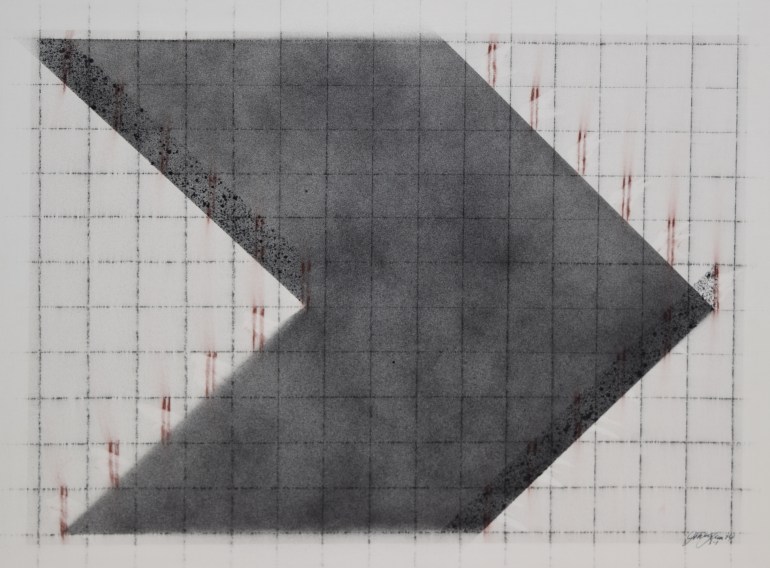
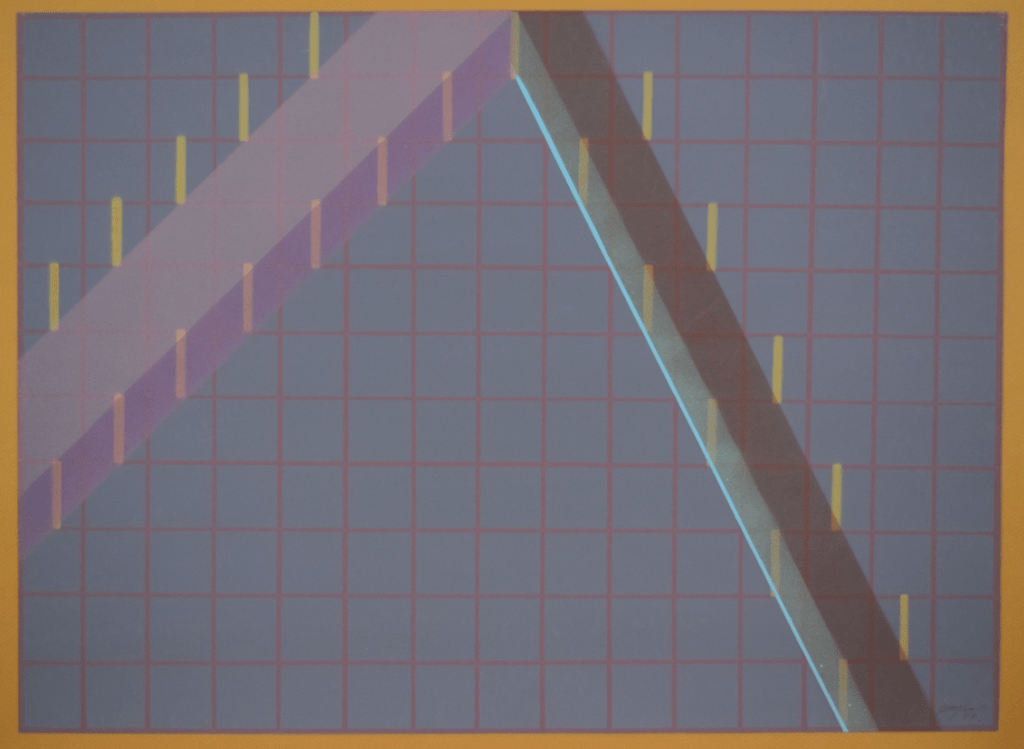
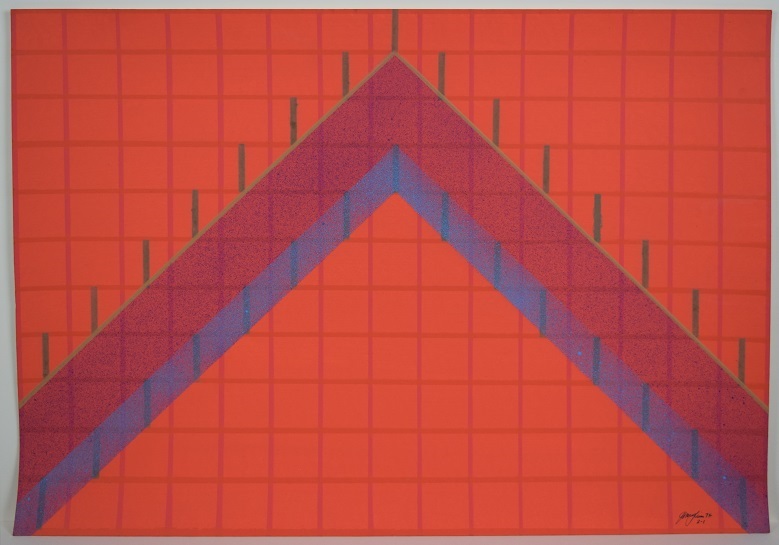
Most of my art journey has not been about developing a style as such but chasing an ideal. The ideal has been slippery. Looking back, I realize that I just kept changing, and so I eventually grew tired of most phases and moved on with different techniques and solutions as shown below and on other pages. But an archaic spatial arrangement that I have called “space-stacking” for most of my years is a common thread.
…..
…..
…..
…..
…..
…..
…..
…..
…..
…..
…..
…..
…..
…..
…..
…..
…..
…..
…..
…..
…..
…..
…..
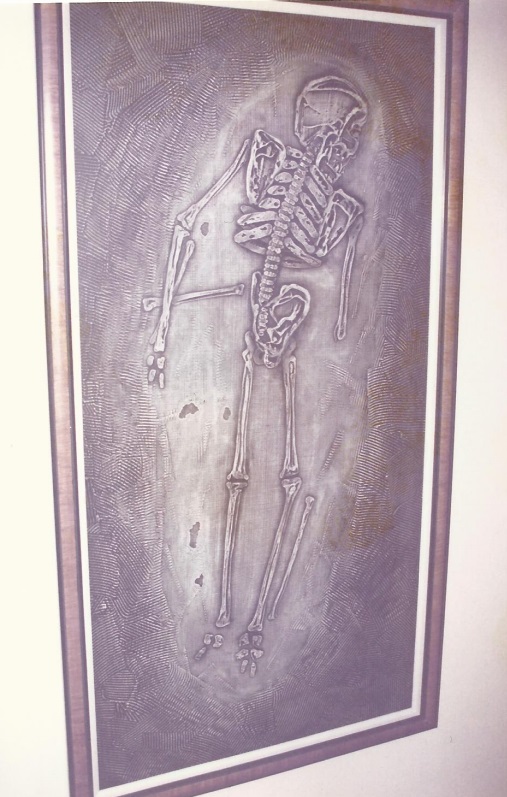
“Pit”, 1982, acrylic on Masonite, 2′ x 4′ (one of 17)
…..
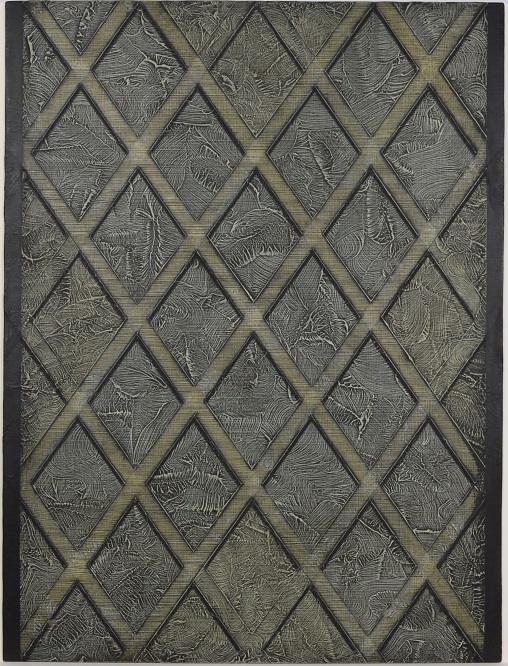
“Tudor Window”, 1981, acrylic on Masonite, 30” x 40”
…..
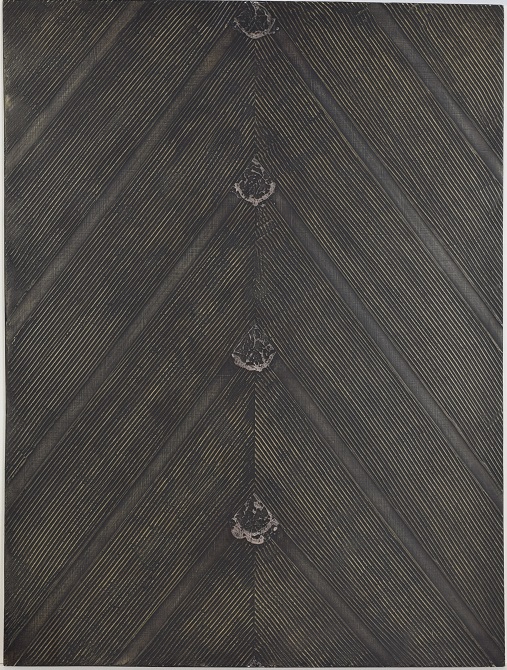
“Church Ceiling”, 1981, acrylic on Masonite, 30” x 40”
…..
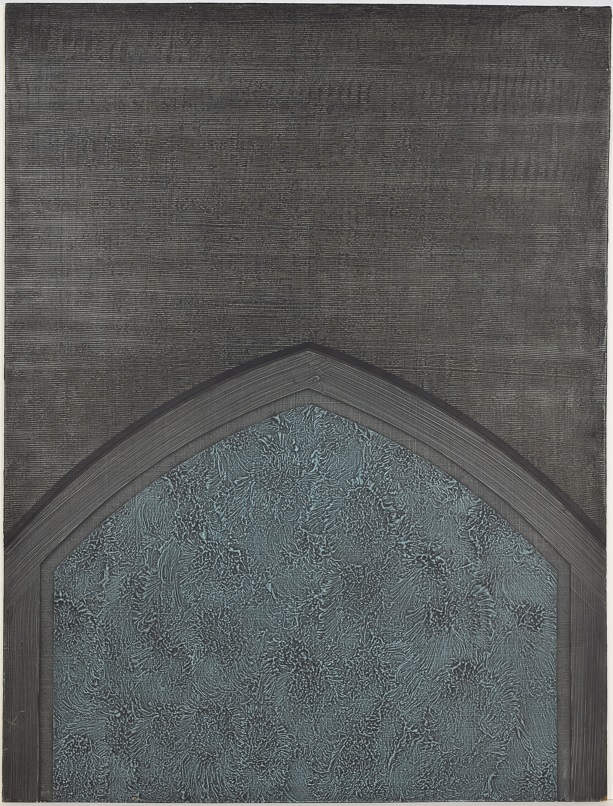
…..
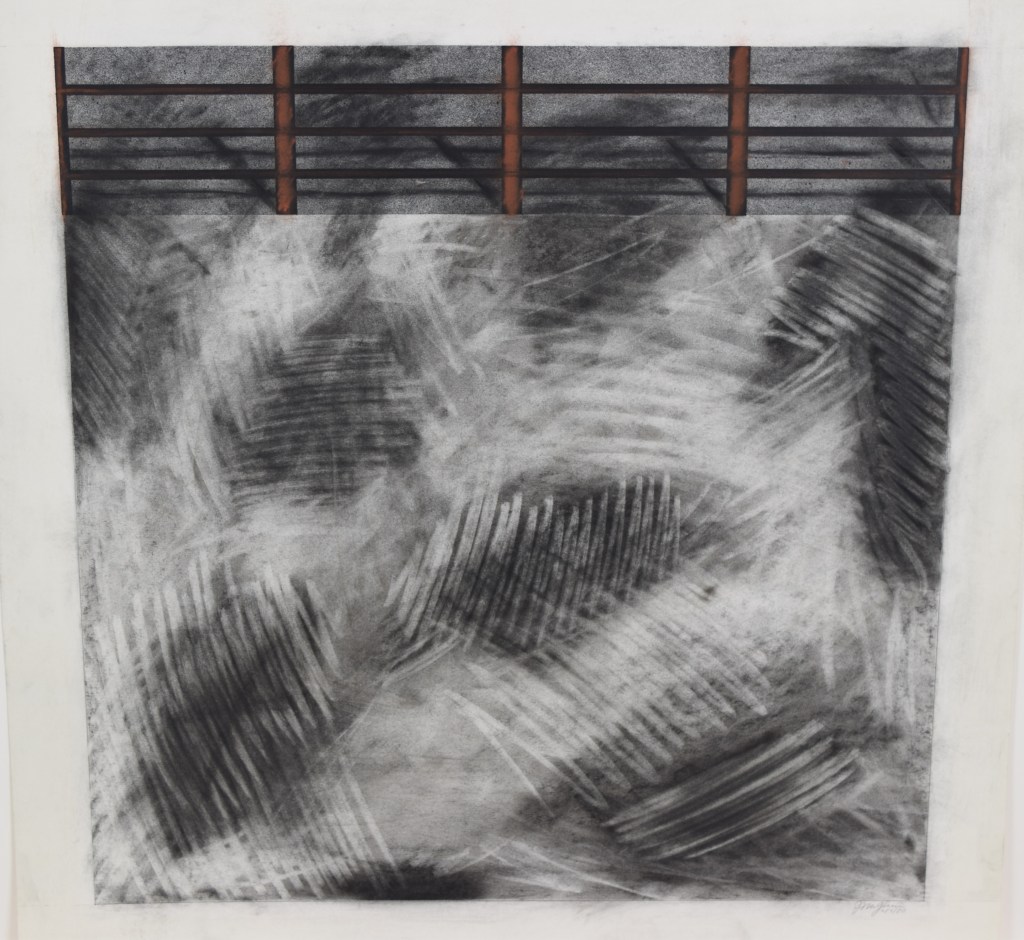
…..
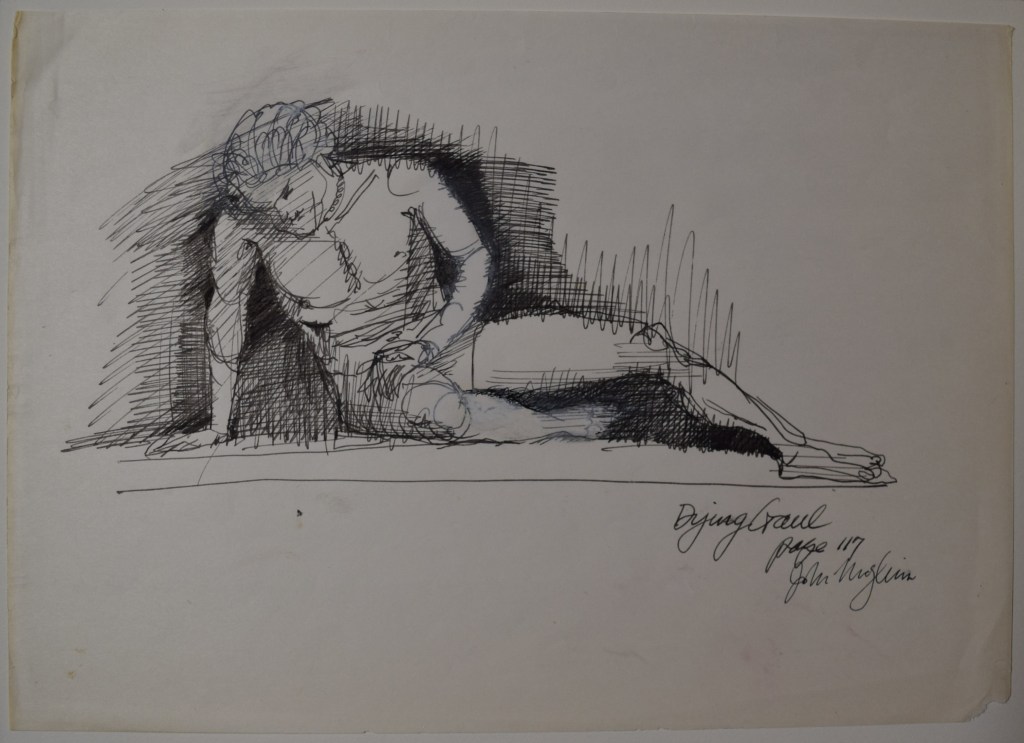
…..
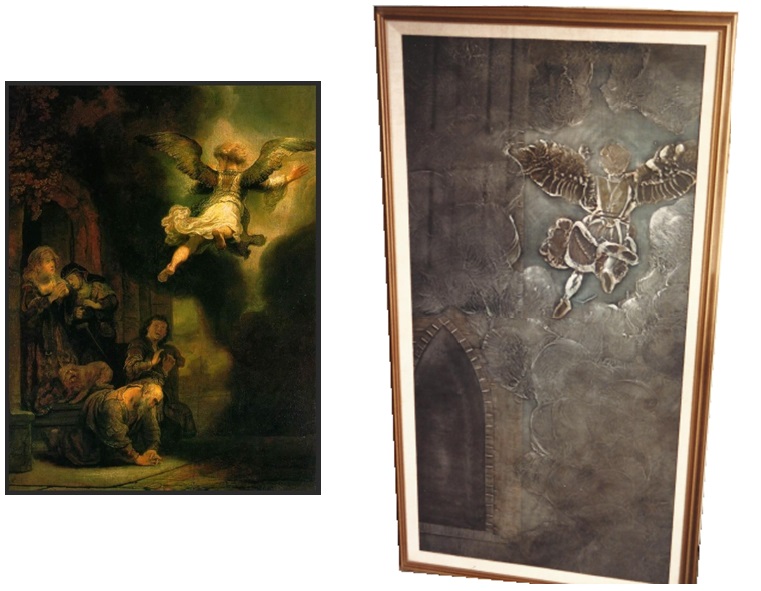
…..
I’ve explored a wide range of graphic themes, many of which were developed in extended series, but what emerged early was a spatial configuration that I named “space-stacking”.
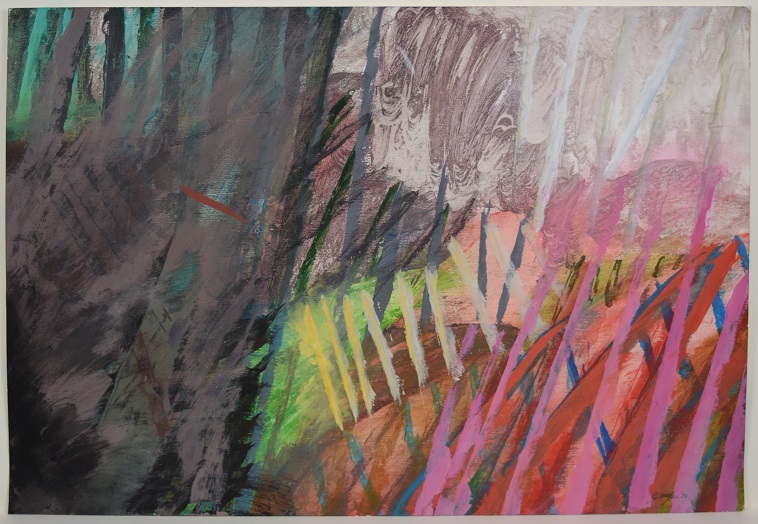
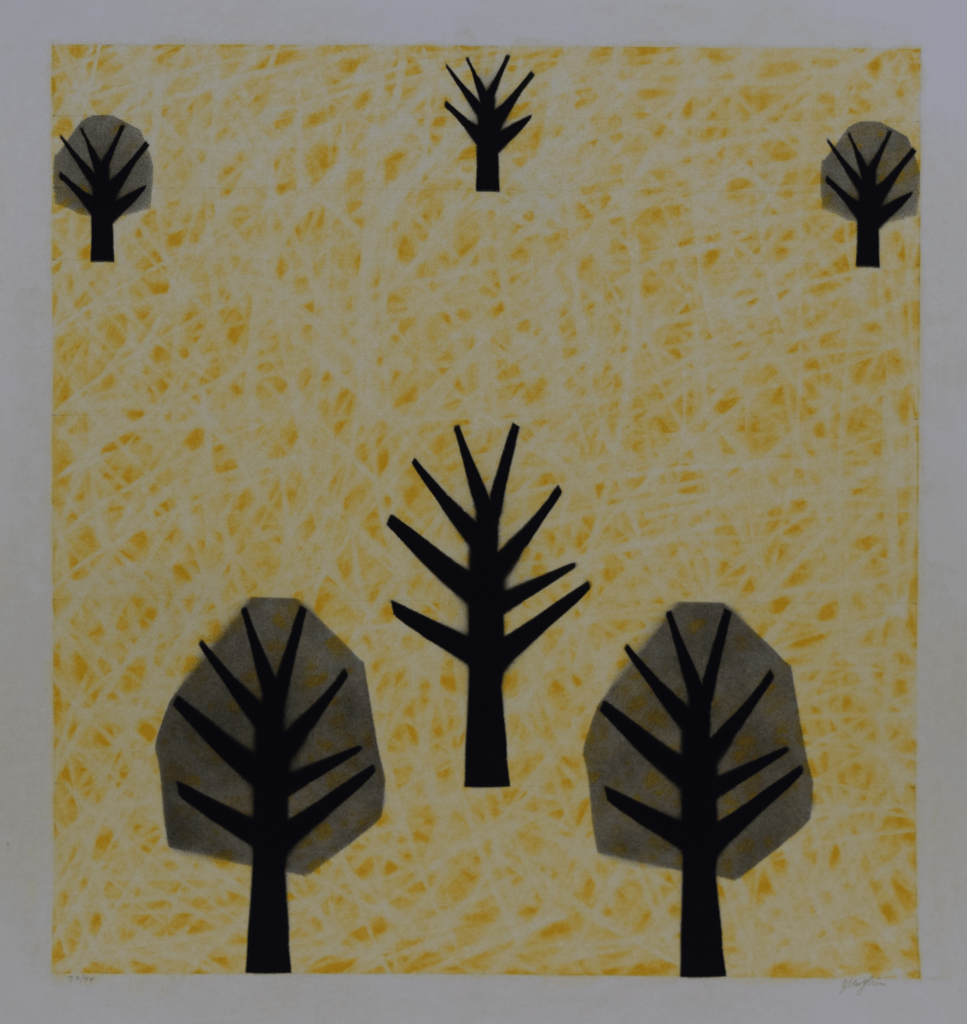
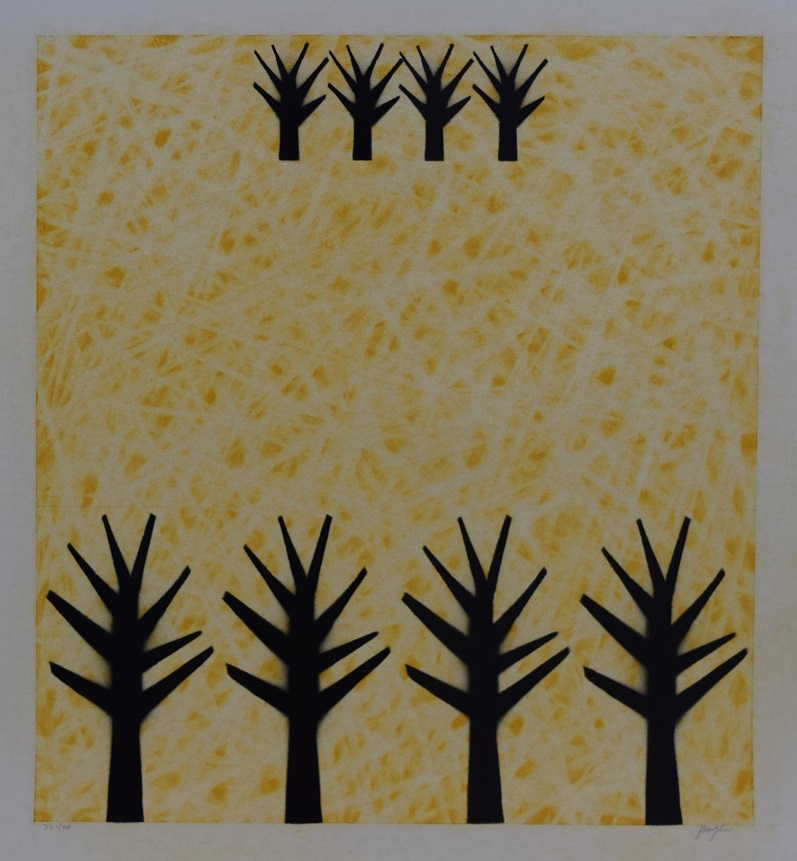
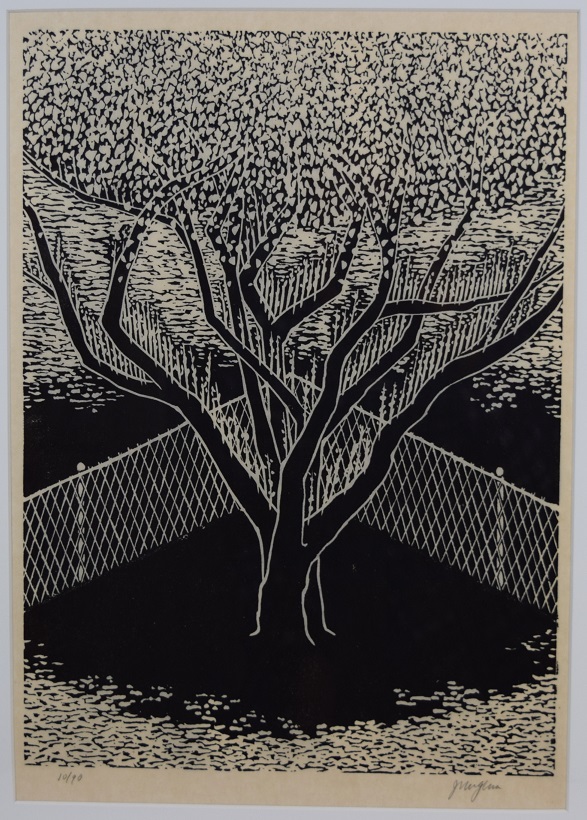
Our normal vantage point is on the surface of the earth utilizing a multi-point perspective, i.e. the Renaissance window: accurate, natural, well-practiced in all forms of visual endeavor. But, there is a more primitive, archaic form of spatial depiction that is child-like in the placement of objects above, not beyond, to represent distance from the observer. This orientation has allowed me to map my abstract* intentions onto invented scenes that recently have incorporated fences, trees, clouds, streams, bridges, etc. in a purposeful, if somewhat, artificial manner as in the examples below and in the Iowa City paintings.
In those paintings I am not trying to create a picture as a rendering. Realism is not my goal. Each painting strives to be an engaging composition of abstracted objects in archaic space with minimal fuss, i.e., only what is sufficient to evoke the space. I find this approach an open and flexible architecture for my expression of visual delight.
*Note: Abstract for me means deriving from an object perceived in our world. Picasso’s guitar looks recognizable as a guitar but very different from any rendering of a guitar. Non-objective art for me is without reference to any real-world object. There is a large difference between the two. See YouTube video: https://www.youtube.com/watch?v=ckwQGHBM6jQ
…..
…..
…..
…..
…..
Favorite Influences
My favorite influences are Chinese paintings, Japanese Ukiyo-e woodcut prints (Hiroshige), early Russian Icons and early Christian paintings, Jean Dubuffet, Howard Hodgkin, Paul Klee, Ben Nicholson, Francis Bacon, Barnett Newman, Agnes Martin, Robert Mangold, Antonio Tapies, Milton Avery (and more), and of course Jasper Johns (and his 439 Works Online.)
As a young adult I developed a strong appreciation of Mauricio Lasansky’s work, and in the early 1980s I met Mr. Lasansky and Phillip Lasansky in Iowa City. Eventually I purchased four of his prints over the next 20 years. My affection continues, which means we often visit the outstanding rotating collection of Lasansky’s work at the Cedar Rapids Museum of Art where I enjoy a membership. It must be the foremost assemblage of his work anywhere at 239 pieces.
Because of Lasansky’s long shadow in my life, we moved to Iowa City, IA, in 2017 to devote full time to expanding my personal art portfolio including some of my time past being a member of the Board of Directors of Arts Iowa City (Artifactory).
Current Work
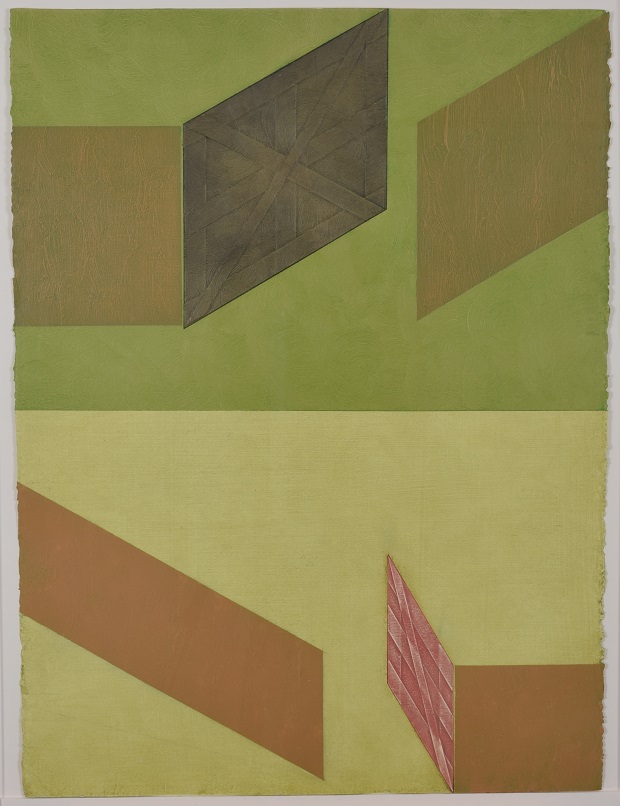
I am working on a series of 141+ (current count) acrylic on paper 22.5” x 30” and 3′ x 4′ on hardboard paintings dealing directly with 2-D, space-stacked constructs of abstracted objects.
My method is to work on a flat surface, and one piece at a time. My current preference is to constrain the images by using 15, 30, 45, 60-degree guidelines for angled items and to tilt the plane up as much as possible in a vertical format. Some objects are applied in a precise manner, and specific surfaces are developed by underpainting before paint/color is introduced. Paint is usually applied by wet brush then rubbed like ink in intaglio printmaking. Scrubbing, scraping, and sanding are always used as in “working the plate” but here with underpainting.
Note: This mode seems to have antecedents in art history. Per ArtNet.con Art News 8/20/2024 paraphrased here: “Eureka: Max Ernst” article. Max Ernst first developed the technique Grattage (from the French verb gratter, meaning “to scrape”) which allowed him to free the creative forces full of suggestions and evocations, less theoretical and more unconscious and spontaneous. Grattage allowed Ernst to harness what he called the inner eye. “Seeing usually means you open your eyes to the outside world,” he said. “But it’s possible to see another way; you close your eyes and look into your inner world. If you can make a synthesis of these two worlds, the result is the synthesis of objective and subjective life.”
To repeat: I am not trying to render any scene authentically. These paintings are not pictures of real-world subject matter. Instead, I am constructing an arrangement that works in the architecture I have defined.
My preference is to “arrive” at a finished work. That means my hand actions are not painterly nor generally direct. I work from a sketch, but only know when I am done when it happens! The finished work cannot be not premeditated, but only arrived at.
I do not paint from looking, meaning the finishing event is somewhat of a surprise, but it is only what is sufficient. As the cliche goes, when all the pieces fall into place. The composition with its surface, under-painting, the paint’s visual characteristics, viscosity or wetness, the areas, shapes, etc. are all conditions that I try to manage to produce an engaging image. The space is most important, and is spare, as are my methods. See Japanese Zen Wabi-Sabi, https://www.youtube.com/watch?v=0JsWIihKpu4. Also, “as a sub-topic Raku pottery and its embrace of chance and surprise is seen as a way to appreciate the beauty of the unexpected and to find joy in the process of creation” per an AI generated description of Raku pottery making.
I have been using Microsoft Paint for 30 years with all of its limitations, and in 2020 I converted to ArtRage-6 then ArtRage Vitae for more functionality to edit my paintings. Late in a painting’s evolution I need to decide those final steps but don’t know what they are without trying. That’s too much painting on the actual artwork to get it right. Hence digital import of the painting’s current state, and layers of revisions are accomplished in ArtRage. Then back to the real painting to execute the way forward.
Experience has proven to me that I must tie my abstraction efforts to depictions of this space so as to avoid the non-objective and decorative. Fidelity to an object’s physical characteristics is not essential. The “foreground” is at the bottom and the “background” is at the top. A supporting duality exists between structure and intuition. That Yin/Yang, for example as in clouds and gates, gates and trees, rivers and bridges, guides the location and amounts that each plays in the paintings.
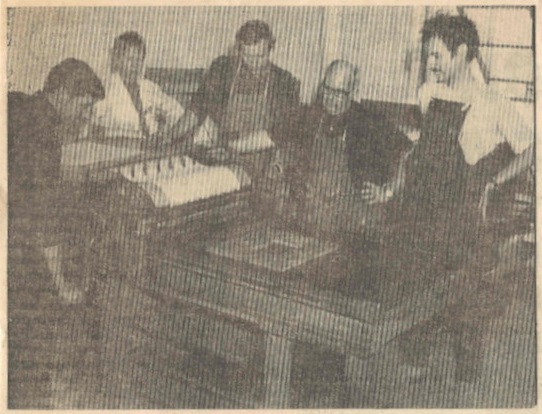
Yours truly on the far right with Wendell Black, professor to my right, reviewing a donated press for the print department at the University of Colorado in Boulder April 1969. Wendell Black was one of six students in Mauricio Lasansky’s first class of MFA candidates at University of Iowa right after WWII.
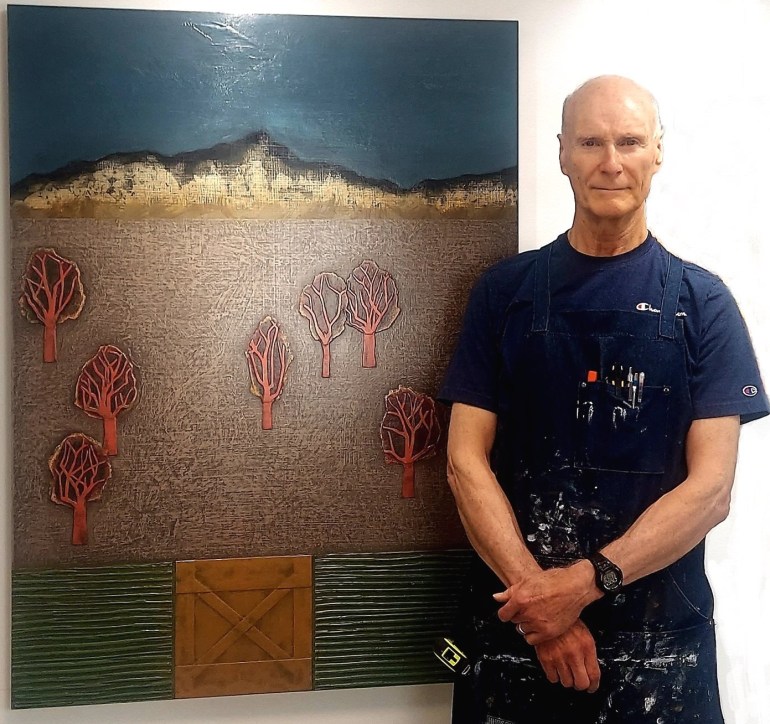
And now November 2021 in Iowa City.
 John McGlinn Artwork